For seven years, Emma was practically my daughter. When my son crashed his motorcycle, she skipped classes, slept in a rock-hard chair, and never left his side. I called her an angel. Then one afternoon she ran out of his room in tears, ended things at the elevator, and refused to tell me why. What my son finally confessed made me see those two months, and my own child, in a completely different light.
Part 1: The Girl Who Never Left His Side
“I’m sorry. I can’t keep pretending anymore.”
Emma was crying so hard she could barely get the words out. We were standing by the elevators on the rehab floor, and she had both hands pressed over her face like she was trying to hold herself together from the outside.
Behind us, my son’s door was still open. I could hear the television. Nothing else.
I reached for her arm. “Emma, sweetheart, what happened?”
She stepped back. Not because she was angry with me. She looked terrified, like one more word might spill out and ruin everything.
“Let him tell you.”
“Tell me what?”
She shook her head. “He has to tell you. It can’t come from me.”
The elevator doors slid open. She stepped inside, and I stood there watching her disappear.
For two months, that girl had barely left my son’s side. Now she was walking away as if staying one more minute might destroy her.
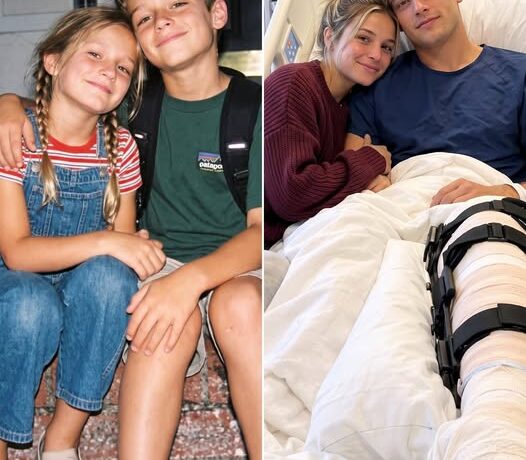
My name is Laura. My husband, Mark, and I have one child, our son, Daniel. He’s 23. Emma is 22.
Or I suppose I should say she was Daniel’s girlfriend.
They started dating at sixteen. Seven years. Somewhere along the way, we stopped thinking of her as the girl Daniel brought around. She was just Emma.
She had her own stocking on our mantel at Christmas. She knew where I kept the spare towels. She stood beside me every Thanksgiving, peeling potatoes and stealing bites of stuffing. Her parents came to our barbecue every summer.
When Daniel’s grandmother died, Emma sat next to him through the entire funeral and never let go of his hand. When she got accepted into the university’s dance program, Daniel showed up with flowers and acted more excited than she did.
I assumed they’d get married. Everyone did.
Then Daniel crashed his motorcycle.
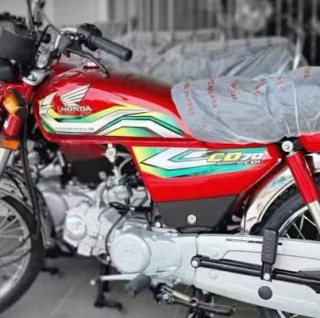
He had wanted that bike since he was a teenager. I hated it. Obviously. I’m his mother. The first time he rode it into our driveway, I said, “Wonderful. You spent thousands of dollars on something designed to turn you into a newspaper headline.”
Daniel laughed. Emma didn’t.
She hated that bike too. Remember that. It matters.
The crash happened on a Tuesday evening. A driver found Daniel by a country road about fifteen minutes outside town. The motorcycle had gone straight through a barrier.
His left leg was broken in several places, his knee badly damaged. He had a fractured wrist and a concussion.
He was lucky. Everybody kept saying that. Lucky.
There’s something surreal about hearing your child called lucky while you’re staring at him tangled in wires and tubes.
He had two surgeries, then another procedure. After a few weeks, the doctors grew cautiously optimistic. He would most likely walk again. Maybe with a limp, maybe without. Nobody could say when.
But the motorcycle was finished. His orthopedic surgeon was blunt: another serious injury to that leg could leave him with permanent mobility problems.
Daniel heard, You’ll probably walk.
What he felt was, You’ll never ride again.
I didn’t understand his attachment to that machine. But I understood grief. The bike had been his freedom, his weekends, the thing he talked about the way other young men talked about cars or careers. Losing it wasn’t small to him, even if it looked small to me. So when he went quiet, I gave him space. When he snapped at the nurses, I blamed the pain. When he refused physical therapy twice, I blamed fear.
And through all of it, Emma was there.
Every single day. Straight from class, dance bag over her shoulder, hair still pinned up in a bun. Some nights she stayed until visiting hours ended. Other nights, the nurses quietly let her stay later, because Daniel was calmer when she was in the room.
When he moved to the rehab unit, there was a chair beside his bed that became hers. I’ve sat on more comfortable furniture at airports. She slept in it anyway.
One morning I arrived at seven and found her curled up under Daniel’s spare blanket, knees tucked to her chest.
“Emma,” I whispered. “Go home.”
She opened one eye. “I’m fine.”
“You’re sleeping sitting up.”
“I’m young.”
“You’re twenty-two, honey, not superhuman.”
She smiled. But she didn’t leave.
Then she started missing dance classes, and that worried me. Dance wasn’t a hobby for Emma. It was her whole plan. She’d been training since she was four. She wanted to teach professionally and one day open a little studio of her own. This was her final year. Attendance mattered. Rehearsals mattered.
One afternoon, while she sat peeling an orange for Daniel, I said, “You can’t keep skipping.”
“I’m catching up.”
“And your instructors don’t mind?”
She glanced at Daniel. He was asleep. Then she said, very quietly, “They mind.”
Something in the way she said it stuck with me. But I didn’t ask.
I should have.
Instead, I wrapped my arms around her. “You’re so good to him.”
For half a second, she went rigid in my arms. Then she hugged me back.
“He’s had a hard time,” she said.
At the time, I thought that was devotion.
Now I know it was something else entirely. And I was about to find out exactly what.